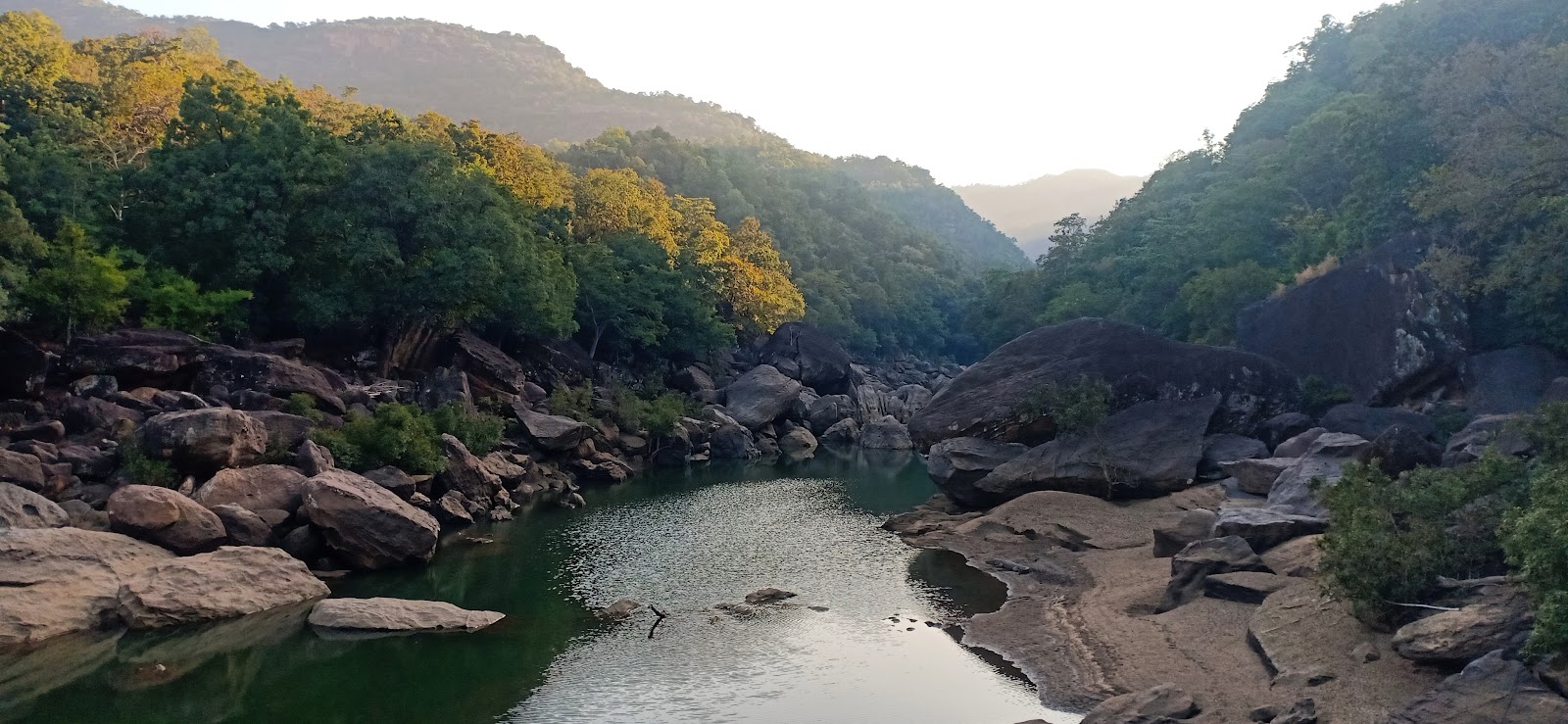
Satpura is one of the prettiest wildlife reserves in Central India where you will find a raw, unspoiled landscape that has attracted little mass tourism. The Satpura range holds some of India’s most dramatic terrain with soaring sandstone peaks, deep gorges, gaping ravines and streaming waterfalls. Declared as a tiger reserve in 2000, Satpura is known for providing an experience that’s not found anywhere else in India. With walking safaris and canoe rides in the core zones making it a truly distinctive wildlife destination where visitors can explore the jungle on foot, by water, or through thrilling jeep safaris.
The winter (Nov-Feb) daytime temperature is approximately 10-25°C and can fall to freezing at night, especially in Pachmarhi. It’s a wonderful time for full-day expeditions, birding and mammal viewing. Migratory birds increase the park’s already impressive range of avian life.
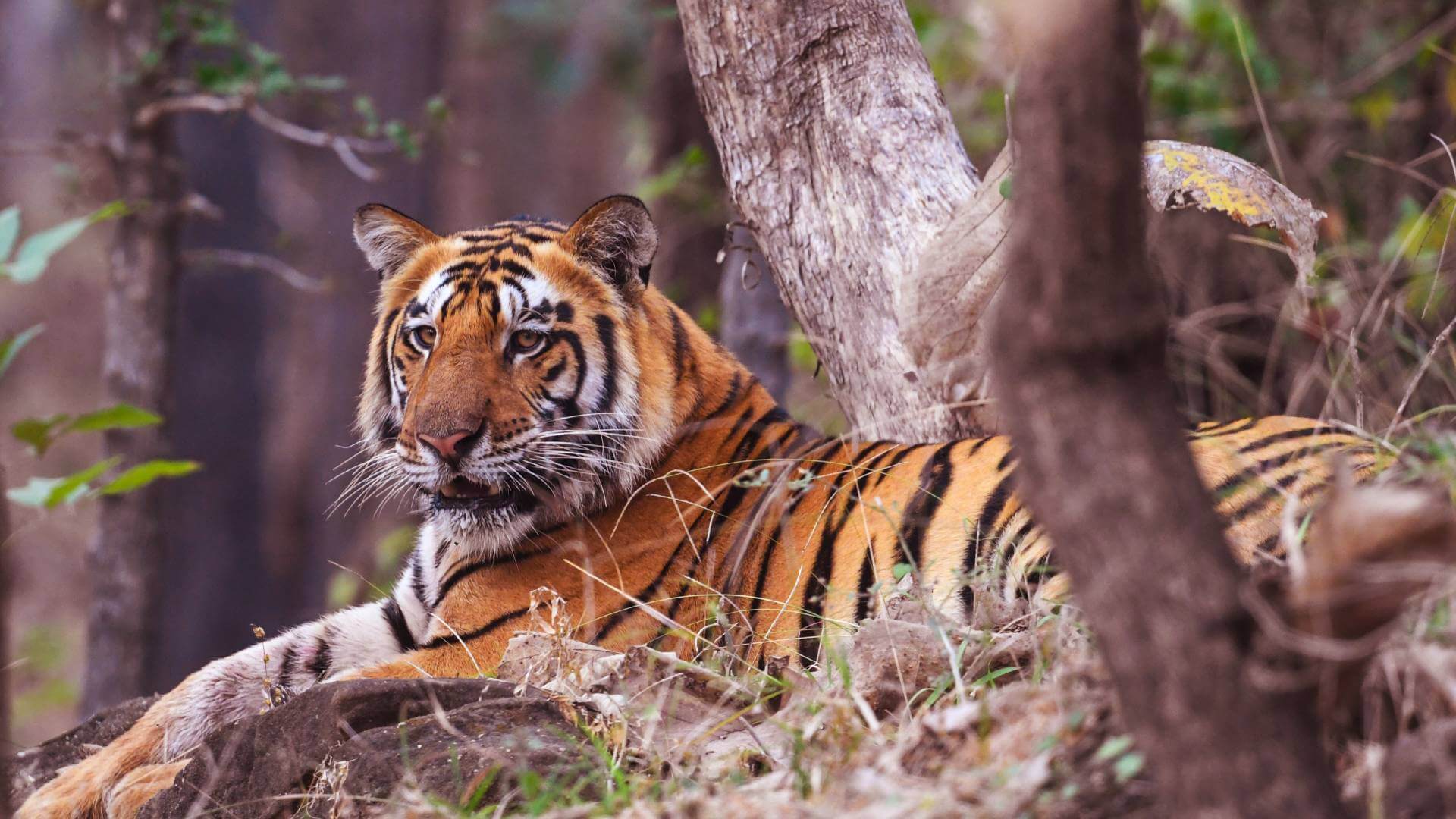
Summer (Mid-May to June) is extremely hot. It can be as high as 40-42°C with a minimum of 30° C, despite the heat tigers and other wildlife may be visible near or at water holes and rivers which are drying up, so it’s best time for tiger sighting.
Satpura’s entry points are accessible by air, train and road providing various choices of travel options for wildlife lovers who wish to embark on a journey into this huge wildland.
At an elevation of 1,350–1,352 meters, Dhoopgarh (literally meaning The Sun Settlement) is the highest point in Madhya Pradesh, and the hills provide a majestic view that includes the Pachmarhi town as well as its Satpura ranges and on a clear morning there is visibility to the Vindhya ranges. The summit is home to a well-kept museum and a great place for viewing the sunrise or sunset, and has amenities for tourists looking down on the rest of the region.
Nestled in the Satpura Tiger Reserve, Pachmarhi is the only Indian hill station which resides inside a tiger reserve and offers an array of wildlife and hill station views. The area has beautiful waterfalls, such as Rajat Prapat (single drop of 351 feet), Bee Fall, Dutchess Fall, Apsara Vihar, and many more places of natural beauty.
The park has a river system, where Tawa River flows and the Tawa Reservoir is built over here; it has facilitated numerous keystone species and boat safari. River and reservoir systems lead to valuable water sources for wildlife, especially in dry periods.
Near the Satpura, Bhimbetka has rock shelters that have paintings of ancient man which date back to prehistoric era; adding an archaeological and historical value to it.
After Captain James Forsyth, who explored the area in 1862, this historic trail provides places to camp and experience trekking wilderness where few have traveled. The walkway winds through magical forests and history that was little-known over a century ago.
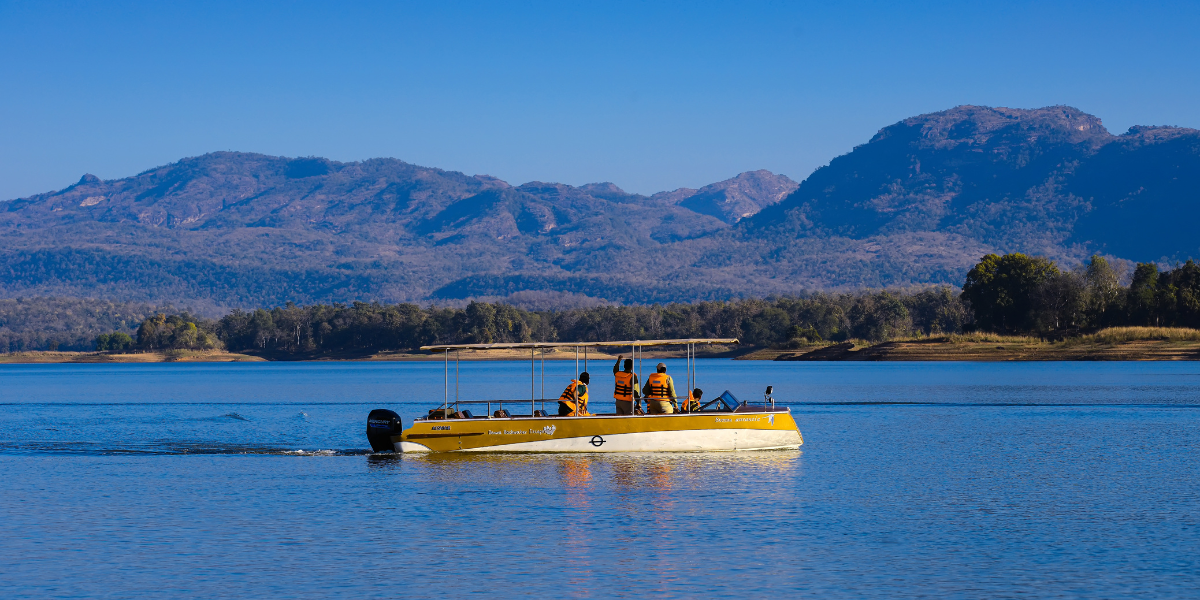

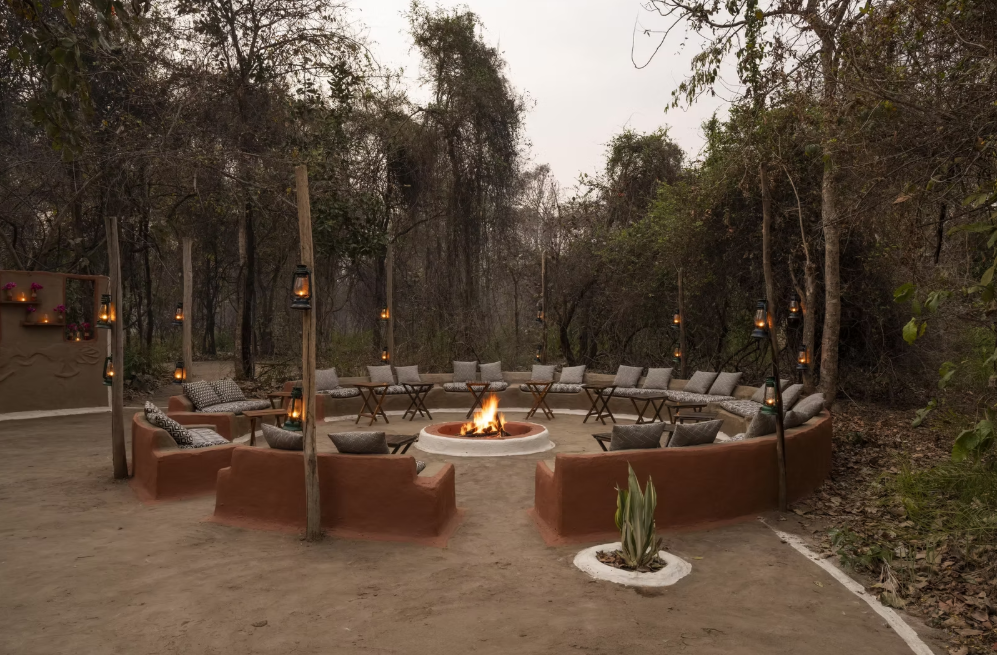
Located at Hoshangabad adjacent Satpura Tiger reserve on 44 acres of resurrected jungle, offers luxurious stay. For guests to experience the flora and fauna of their surrounds, the lodge provides guided walking safaris with experienced naturalists. A dedication to countless conservation and community engagement projects makes it stand out from Satpura’s other top properties.
On Request
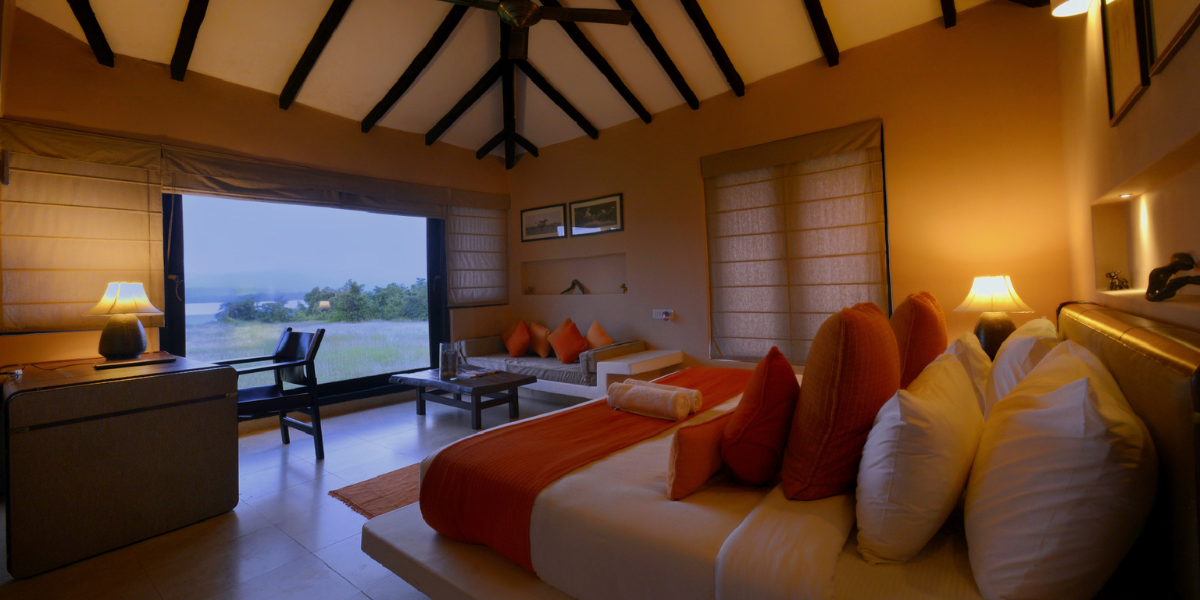
Situated along the banks of serene Denwa River, Denwa Backwater Escape covers 10 acres of lush forest. The lodge provides modern and elegantly African styled safari-style accommodation constructed from local materials, with stylish and exclusive furnishing. There’s on-site dining that overlooks the river, animal safaris, nature walks and environmentally safe practices for visitors.
On Request
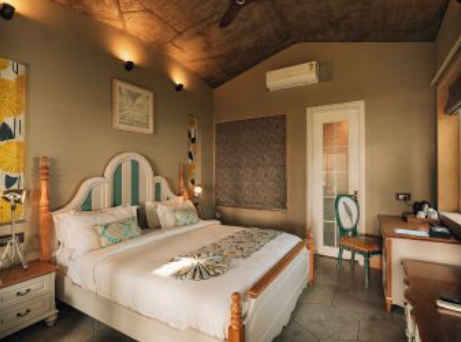
Located near Madhai gate overlooking Tawa backwaters, Lehar Sa Resort has 9 luxury cottages/suites with private Jacuzzis/steam baths. Homestays for guests include infinity pool, multi-cuisine dining, organic honey & exceptional hospitality. Its riverside setting gives easy, jaw-dropping bed-ridden sunrises for safari fans in search of romantic luxury deep in the Satpura wilds.
On Request
The key activity in Satpura, which is done both in morning and evening along with naturalists who are expert on wildlife, flora, fauna and conservation. Open jeep type provides good visibility and photographic opportunities.
Satpura is the only tiger reserve in India where walking safaris are allowed in core area itself, like Madhai; so do go for jungle walk with expert naturalists, that can make your walking safari safer and enjoyable at the same time. The safaris are great for the flora, intimacy of the forests and to get a closer look at the smaller creatures.
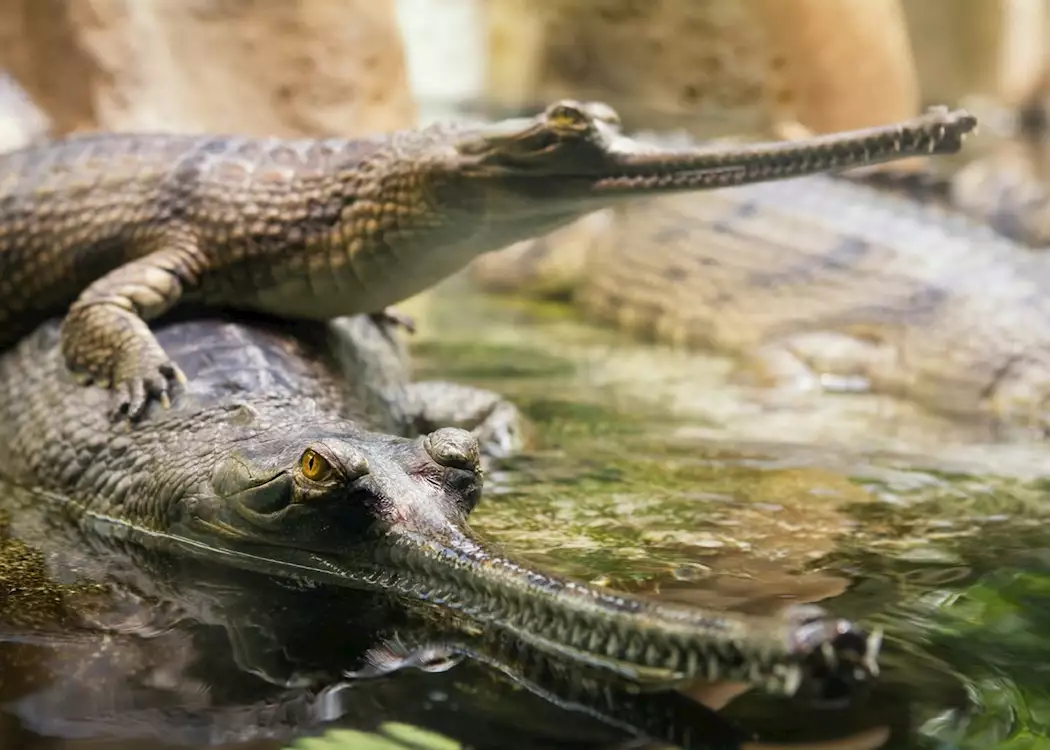
Exclusive to Satpura, take a boat safari on the Denwa River for breathless views of the ecosystem, including crocodiles basking and water birds enjoying their surrounding habitat. The river safaris offer a unique perspective for viewing wildlife.
Wilderness camping along the historic Forsyth Trail, surveyed over 150 years ago to provide passage through beautiful forest and prehistoric hollows. Some of the most popular trips are multi-day camping outings that leave the visitors in touch, if not technically lost, with a wilderness experience.
You can enter through Madhai Gate to explore the magical old-world forests of Churna, full with grasslands, broad-leaved trees and rich in herbivore population and birdlife.
Day trips to hill station at Pachmarhi in the reserve offer wildlife sightings as well as experience of waterfalls, scenic lookouts (Dhoopgarh), cultural sites and pleasant weather.
From quick answers to in-depth guidance, we’re committed to making sure you feel confident
Best time is October-June, November-March is high season with cool temperatures (10-25°C) and good wildlife opportunities. The park is closed during the monsoon (July-September) period for breeding season.
The nearest airport is Bhopal (200 km, 3-4 hours). By Rail – Itarsi Junction Railway Station (70 Km) is the nearest railhead, which is linked with major cities like Delhi, Kolkata, Mumbai etc. Taxis and buses can be taken from Bhopal, Jabalpur and nearby towns.
Satpura strikes a deal that no other tiger reserve in India does – Walking Safaris in core, Canoe Rides and different encounters. What sets it apart are its rough landscapes, various zones and eco-friendly tourism ethos.
Core zones are Madhai (highest density of tigers), Churna (difficult terrain), Pachmarhi (hill-station) and Pipariya (good for birding).