
Panna is the glowing icon of wildlife protection and natural beauty, a place where we can see the abundant, rough, and wild India in its natural glory. Located in the Vindhyan mountain ranges of Madhya Pradesh, Panna National Park symbolises the culmination of hard held conservation work and represents the tenacity of nature. Spread over 542.7 sq. km of untrammelled wilderness, where Bengal tigers pad across its regime lands, the holy Ken River cuts through plunging gorges and crashing waterfalls create the sounds of nature. Panna, therefore, is not simply a wildlife reserve but living proof that we can reintroduce tigers and restore ecosystems in India.
The optimal visiting season for Panna National Park is from October to March in winter, the weather remains cool and suitable for wildlife safaris. Daytime temperatures in winter averages 20°C to 28°C, and dip to about 5°C to 10°C at night maintaining a pleasant atmosphere for jeep safaris and sightseeing as well.
The summer season (April to June) is extremely hot and humid with the maximum temperature reaching 40°C-45°C resulting in highly uncomfortable outdoor activities. However, wildlife sightings remain excellent during this period as animals are concentrated around the limited water sources.
The park is open October 15 to June 15, with the greatest opportunity for wildlife watching and birdwatching during the winter months.
Panna is a well-connected destination by air, rail and road; hence it is very convenient to reach for wildlife fanatics and nature lovers.
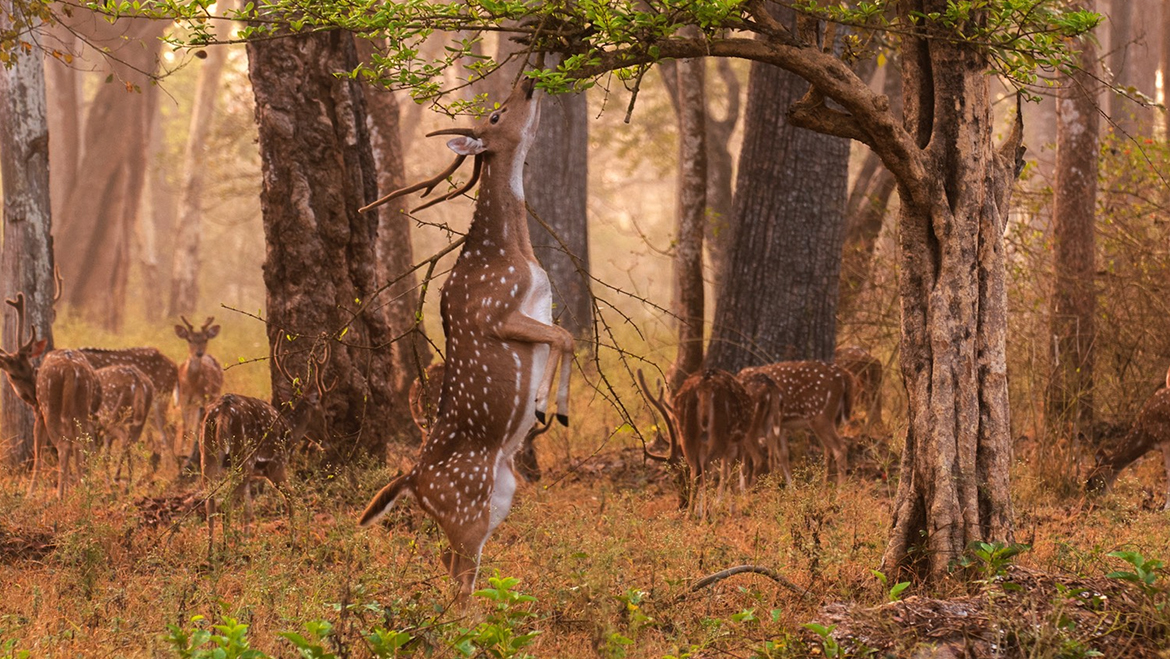
Panna National Park has many safari zones including the Jinna Zone, Akola Zone, and also core tiger reserve regions. Such assorted zones are a great spot to see the Bengal tiger, panther, sloth bear, Indian wolf, and different well-evolved creatures including deer species, for example, chital, sambar, and nilgai. The park has a varied topography made of plateaus, gorges and teak forests that gives rise to varied habitats which enhance biodiversity.
The heart of Panna National Park is the Ken River; this pristine, sparkling river flows through virgin forests, gorges and rock-strewn terrain. The park is divided by the Ken River, whose emerald waters provide lovely boat safaris where visitors can expect to see gharials and crocodiles, as well as numerous bird species. There is a dry teak forest along both banks, and the river becomes an important source of drinking water for the wildlife in the area once other sources have dried up in summer.
Located around 15 km from Khajuraho and accessed via Panna, Raneh Falls is a geological spectacle etched by the Ken River. A 30-meter-deep gorge, this is a truly stunning formation cut in to pure crystalline granite that glints with pinks, reds, greys and whites. The rainforest jungles of green foliage smothering the waterfalls are a peaceful paradise for nature enthusiasts and photo fanatics.
Legend has it that Pandav Falls are connected to the Mahabharata, where Pandav brothers took refuge in the caves around this place according to local mythology. This is a bumpy journey 12 km from the main gate in Panna National Park and there’s a happy cascade splashing 30 m into clear pools surrounded by emerald forested hills.
This sanctuary is located close to Raneh Falls where the Ken and Khudar rivers converge and is inhabited by gharials that are globally threatened species. Visitors can witness these magnificent reptiles as well as a variety of waterfowl, making it an excellent location for wildlife and bird viewing.

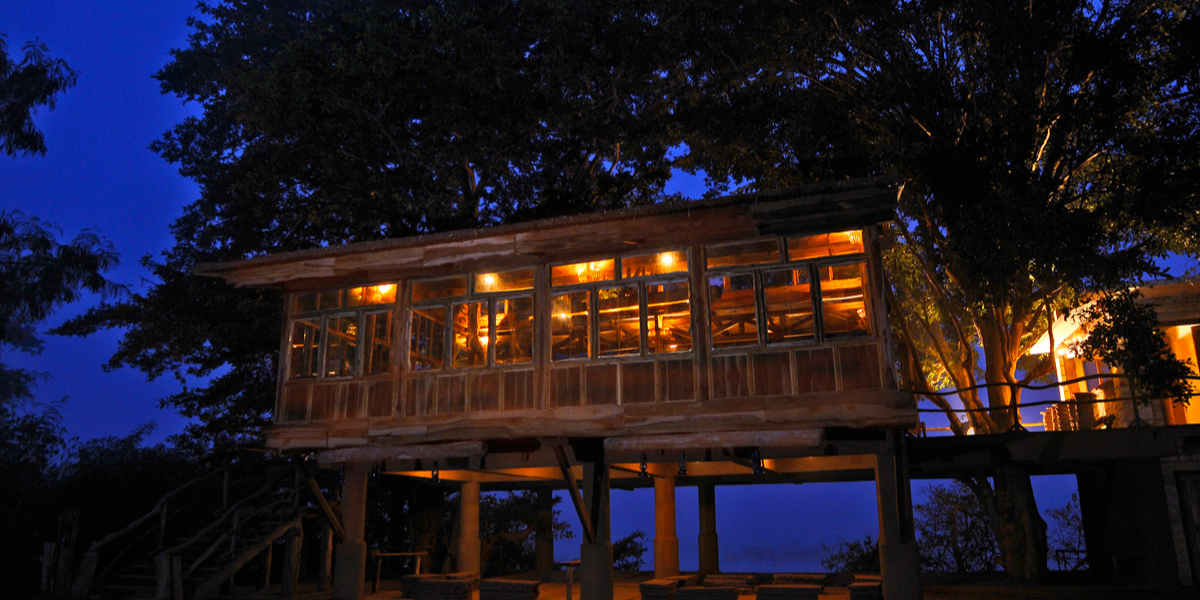
An eco-sensitive property with good accommodation and a known naturalist led safari experience, slightly up from the Ken River bridge in Panna Tiger Reserve. It provides in-house dining that is warm and cozy and serves as a great base for fully packed day trips into the park. Daily safaris are conducted in open jeeps with local guides who share information about the wildlife and ecosystems of the park.
On Request
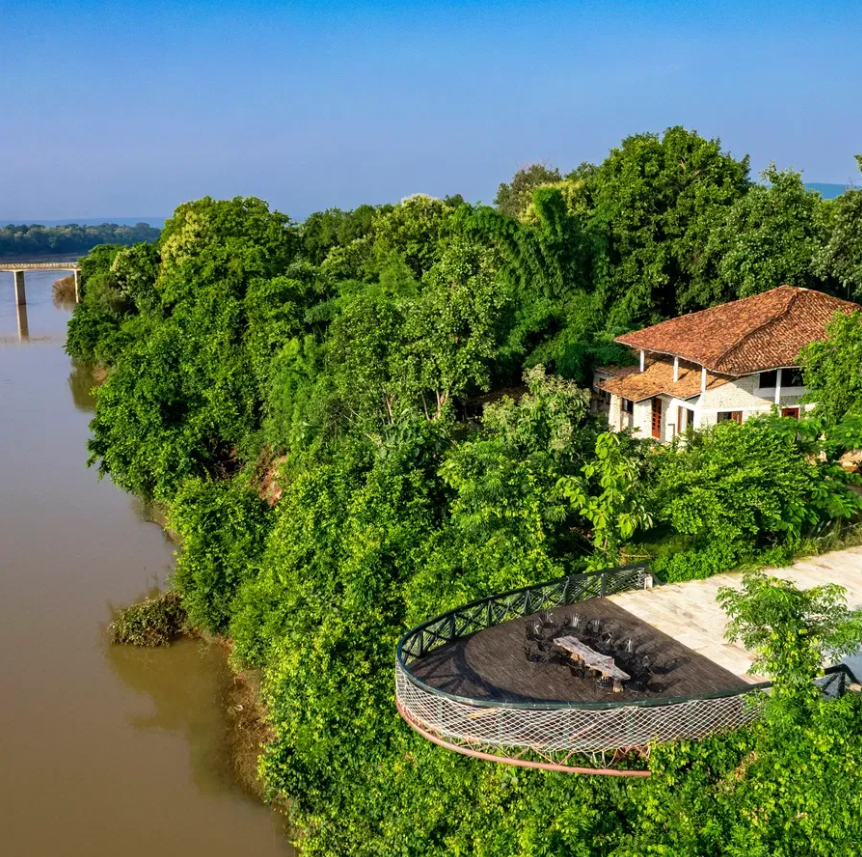
Tendu Leaf Jungle Resort is a chic jungle retreat, which is situated 500 meters from Panna Tiger Reserve gates, right on the banks of the Ken River. Designed under eco-lodge principles, the resort features spacious huts with luxury amenities, Split ACs in each hut, private balconies with nature views and 24-hour hot water to every hut.
On Request
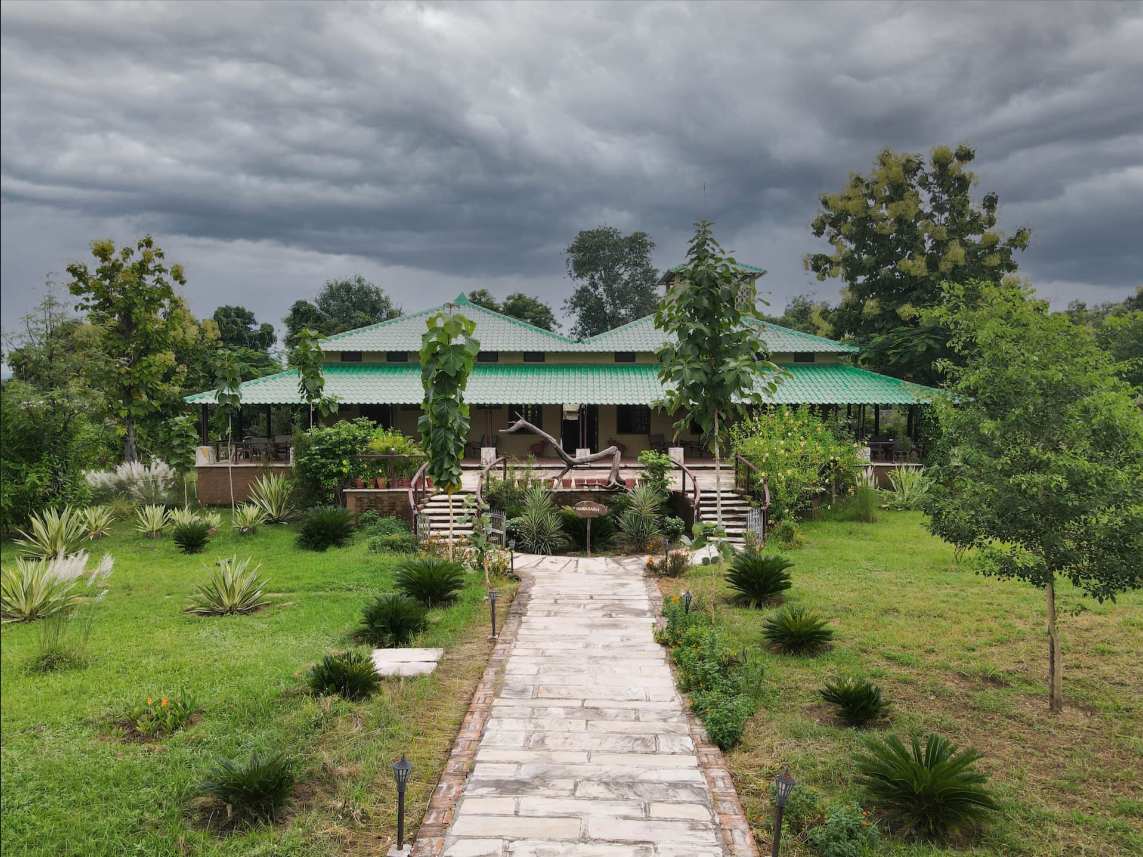
Located close to Panna National Park, Naaharbagh Rajgarh is a one of its kind of hospitality startup, which hosts nature as well as wellness experiences and provides authentic Bundelkhand hospitality. The resort, run by wildlife lovers, combines rustic rural accommodation with modern luxury comforts. Whether on a jungle safari or a birdwatching trail, lounging around an evening campfire, or wondering at the stars, or savouring local cuisine, guests do it all here.
On Request
Venture into open jeep safaris in the early morning and evening on shifts, accompanied by trained naturalists that share wise insights around the park’s wildlife, ecology, and conservation. These safaris move across different zones which have a great possibility of tiger, leopard and wildlife viewing in their natural surroundings. The open jeep format ensures that you can view and photograph as much as you can.
Enjoy the one-hour long elephant safaris and see the jungle from a different level. Conducted by the forest department in early morning and in the evening, the pace of these safaris makes them ideal for birdwatching and more sensitive wildlife that may be disturbed by vehicle noise.
Go for tranquillity-filled boat rides on the enchanting Ken River that gives a whole new view of its ecosystem. Tourists can enjoy traditional rowing boats with local boatmen or motorized boats to spot gharial, crocodile, migratory birds and the river’s natural wealth and avifauna.
Look out for some of the migratory birds in winters among 200 species by joining exclusive birdwatching tours. Led by top naturalists, visitors are escorted to optimum birdwatching sites, where they receive assistance in species identification, as well as insights into their behaviour and ecology.
Discover culturally rich Bundeli culture by visiting neighbouring villages and connect with the local community to explore the cultural heritage around the region. The tours shine light upon the lifestyles, craftsmanship and local conservation efforts.
From quick answers to in-depth guidance, we’re committed to making sure you feel confident
The October - March winter season is the ideal time period to visit Panna as the temperatures range between 24º C and 10º C and maximum activity of wildlife in the national park takes place during these months.
Panna is also connected via air, rail and road. Khajuraho Airport offers daily flights (25 km away) and Khajuraho Railway Station offers train connections to major cities (22 km away). Buses and Taxis are available from here for Jhansi (175 km), Satna, Khajuraho and other nearby towns with good frequency. It is a roughly 1.5-2-hour drive from Khajuraho by taxi to Panna.
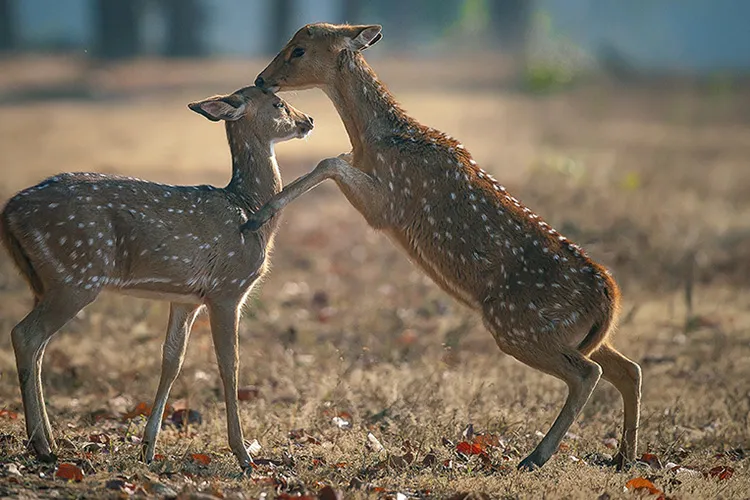
Tigers, leopards, hyena and the sloth bear are some of the animals found here and out of a total of over 50 mammals species, popular among those seen are deer (chital, sambar and nilgai). Besides the gharials and crocodiles, it supports over 200 migratory and resident birds.
Top draws include the Raneh Falls (15 km, 30-m canyon in all its glory), Pandav Falls (12 km, inside the national park) and Ken Gharial Sanctuary and Khajuraho temples complex located 25 Km away.
Panna should be experienced for at least 2-3 days. You can do a few safaris (morning/evening), birdwatching, waterfall visits, and hangout at resorts in this time. 4-5 days stays are best to explore the safari zones and nearby attractions.