
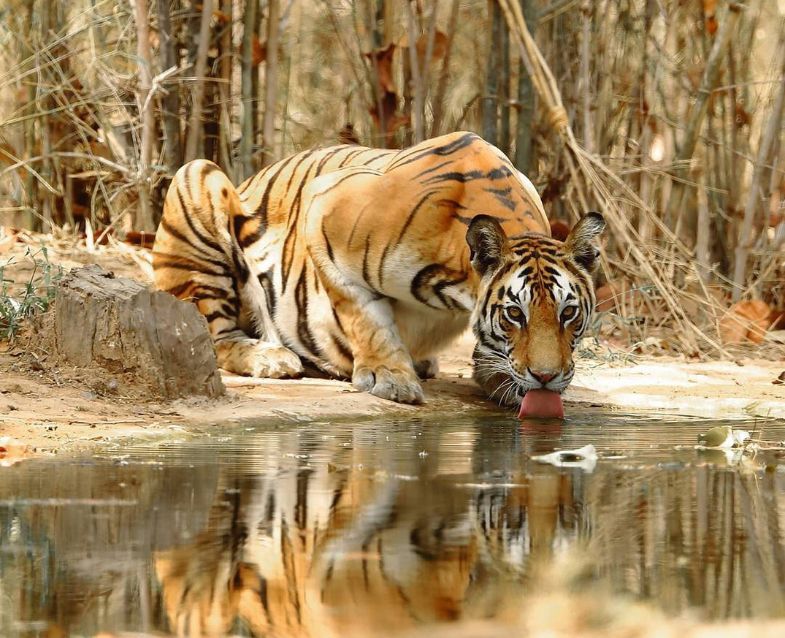
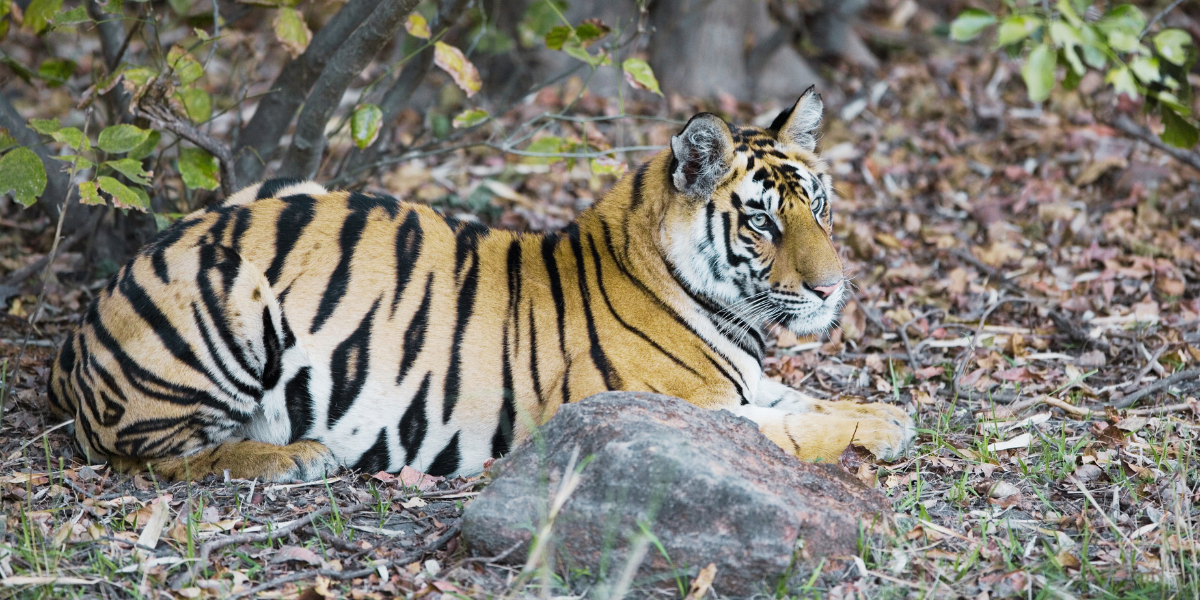
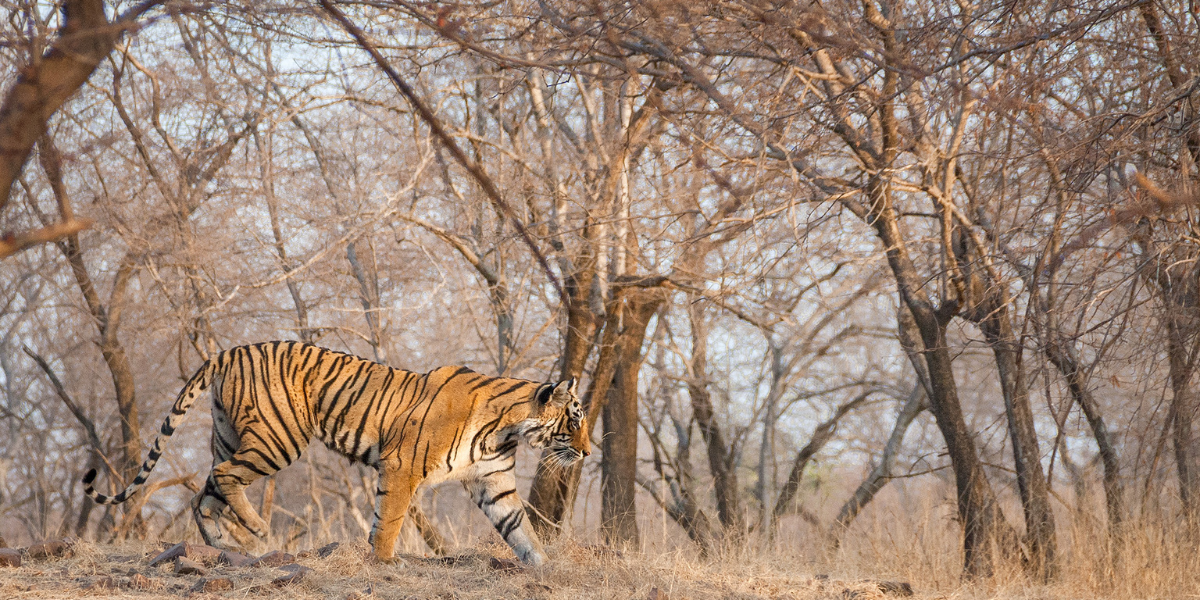
Bandhavgarh is regarded as one of the best tiger reserves in India, where ancient history and untouched wilderness come together to provide an endless calling of its song. Bandhavgarh National Park, situated between the Vindhyan and Satpura mountain ranges of Madhya Pradesh, has a high tiger density with around 8 tigers/sq km, giving it one of the highest tiger densities in the world. This legendary reserve covers a total area of 1,536 square kilometres spread over core and buffer zones and is composed of pristine sal forests scattered with occasional patches of grassland and block rocky plateaus and valleys. Bandhavgarh is also an intricately embroidered living treasure chest of archaeological history: from the majestic 800m high Bandhavgarh Fort to the ancient 10th century Shesh Shaiya Temple. It is where conservation and adventure and history is beautifully interlinked.
The ideal time to go to Bandhavgarh National Park is the winter season between October and March, when the climate is gentle and cold, giving visitors nice opportunities for wildlife safaris as well as adventure outdoor activities. The park is open from October 15 to June 15. During winter (Nov – Feb), the temperature during day is between 5°C-25°C and at night it becomes cooler getting to about 2°C -8°C which makes it a great weather for open jeep safaris.
Extreme heat of 35°C -45°C in summer (April-June), can make outdoor activities very uncomfortable. However, summer too is a good time for wildlife photography and spotting tigers as the animals converge around waterholes, and the chances of tiger sightings are higher.
Park remains closed to visitors for the entire monsoon (July-Sept) since roads are not motorable and the area becomes wet, and this is crucial breeding season for wildlife.
Bandhavgarh is well-connected via air, rail and road which opens up flexible travel options for wildlife lovers who are ready to embark on a journey to this top tiger reserve.
The three central safari zones are certainly the main draw, providing wonderful sighting opportunities for the Bengal tiger, leopard, sloth bear and a variety of wildlife. The Tala zone which includes the fort and Shesh Shaiya is the most visited and one of the most successful in terms of tiger sightings. Magadhi zone is known for tiger spotting and has several water resources. Khitauli zone is set to become a favourite, adding both great birding and a diversity of habitats.
An ancient fort situated at an altitude of 800+ metres, it has archaeological wonders, temples and monuments. With the necessary permissions, these are accessible via guided tours that offer interesting stories of royal ancestry that parallel history and the medieval architecture of the structure itself.
This 11-metre-long 10th-century sculpture of Lord Vishnu sleeping, known as the Ananta Shayan, is a fine example of craftsmanship and continues to be a pilgrimage site where spirituality meets the archaeological.
Bandhavgarh has a number of ancient caves and archaeological monuments showing the region’s historical background. They add a depth beyond just wildlife experiences as these sites offer the natural beauty along with cultural and historical importance.
This museum located within the park highlights the history of the region, its wildlife and cultural heritage through exhibitions, photographs and artefacts. This museum offers a lot of learning opportunity to its visitors where they get to learn about the park’s ecosystem, conservation efforts and royal history of the area giving you context about the landscape and wildlife you will see on safari.
Bounded by plateaus, gorges, grass lands and Sal forests the topography of the park is amazingly scenic. Several other viewpoints like Charger Point (in Magadhi zone), Panoramic Point etc also provide some excellent photography opportunities amidst scenic beauty.
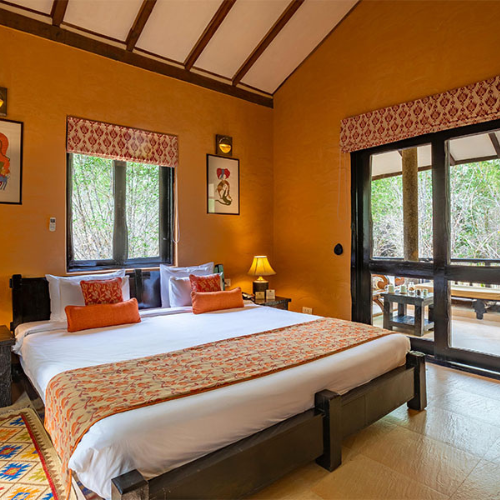
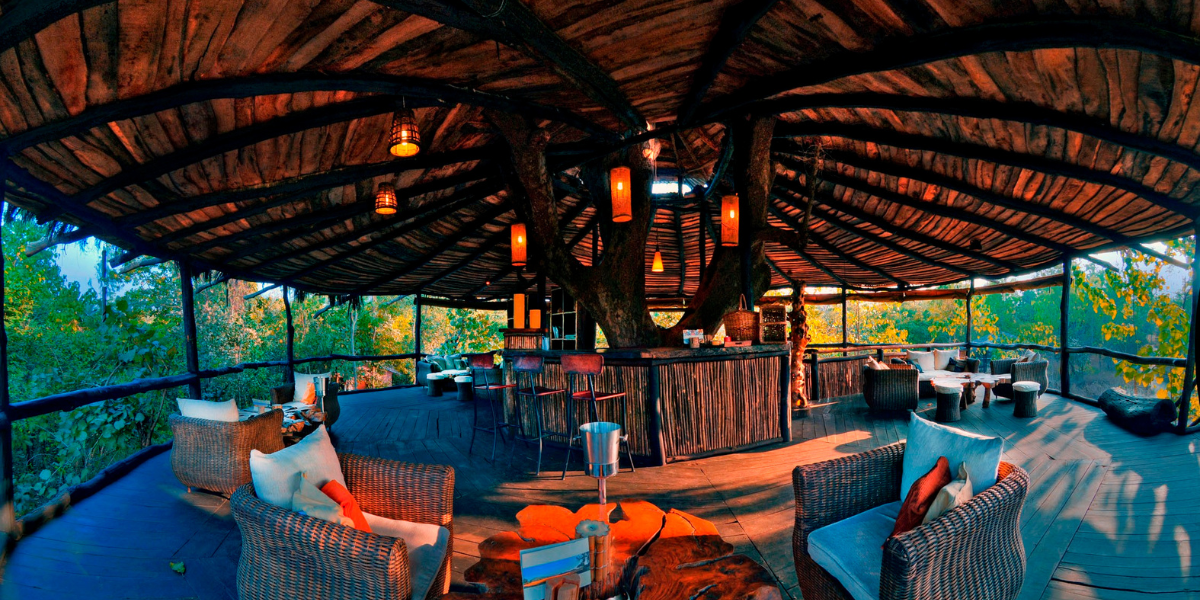
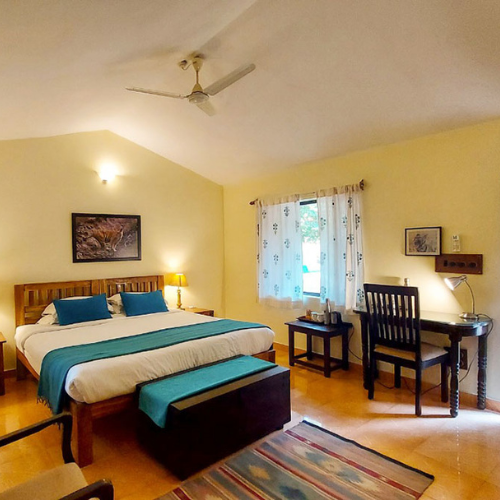
This is a rustic and charming rainforest lodge that is steeped in the history of conservation, situated just a few minutes away from the Tala gate. The lodge was set up by the Sankhala family which started Project Tiger and has large cottages made of mud and thatch replicating tribal houses. Guests can savour organic farm-fresh meals, friendly service, and interactive campfire nights. Offering an unpretentious, intimate wildlife sanctuary that plans its lodging around its knowledge of nature, its supportive sun terrace, outdoor fireplace, and experienced naturalists that awaits you.
On Request
Tucked in a 32-acre Sal forest estate, King`s Lodge is an eco-luxury resort that has won several awards and is located between Tala and Magadhi zones. Consisting of 18 eco cottages that are made using sustainable materials, with tribal art used in the construction; these cottages even feature modern ensuite bathrooms and private verandas. An on-site swimming pool, spa, butterfly farm, and a watchtower for birding. Home to one of the best teams of naturalists in the world and wonderful farm-to-table dining, it strikes a great harmony between comfort and environmentalism.
On Request
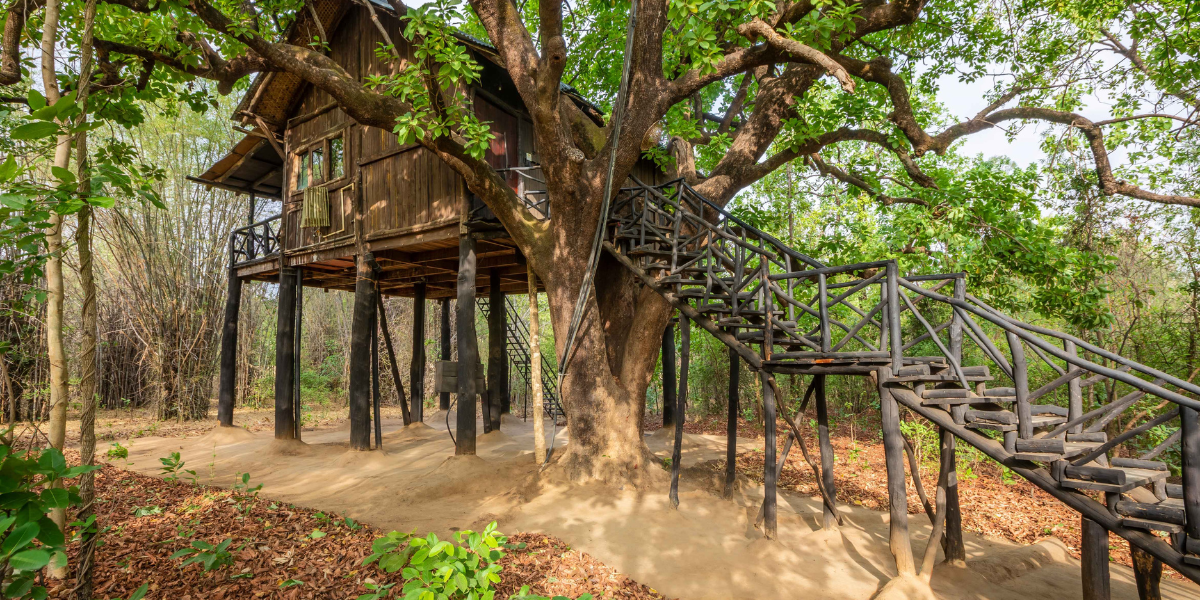
Treehouse Hideaway provides an ultimate wilderness experience with five exclusive treehouses nestled on the top of Mahua, Tendu and Banyan trees. Sitting in the thick of a 21-acre private forest near Tala gate, each hideaway pairs its rustic, earthy exterior with sleek and luxurious spaces inside that are equipped with modern amenities like AC and new-age bathrooms with private balconies overlooking the canopy. Visitors will be able to view wildlife from their rooms, dine around an age-old Mahua tree, and have complete privacy at this one-of-a-kind arboreal getaway.
On Request
Enjoy exciting open jeep safaris in the morning and evening with trained naturalists who impart extensive knowledge of the park’s wildlife and ecology, as well as get an understanding of tiger conservation, history of tigers in India, myths and truths behind these majestic creatures. In an open-top jeep, you get the best of everything – good visibility, photography and real feel of the bush.
Embark on a thrilling ride through the jungle on an elephant safari in Tala Zone, there are specific paths which are marked by officials and where you be guided onto. These one-hour slow ride outs are perfect for children and those who wish to experience a tranquil aspect of nature not normally accessible due to the sound of engines.
Discover the park in a shared canter vehicle for a unique safari experience that will allow you to meet other wildlife enthusiasts. Canters can reach some inaccessible parts and give you more coverage for increased wildlife viewing potential.
Hike to Bandhavgarh Fort with proper approvals and guided by registered guide, witness the historical value of fort, its archaeological gems, temples and beautiful panoramic view. This kind of experience is a good mix of physical adventure and historical and cultural expansion.
Participate in special bird watching tours designed to observe over 250 different avian species, including migratory flocks that are most common during winter time. All round naturalists accompany guests to the best birdwatching spots with species identification and ecological knowledge.
Visit surrounding villages and get an opportunity to see the Bundelkhandi way of life, traditional customs and local crafts. The tours also introduce the local people’s close connection with forests and forest conservation as a valuable cultural experience.
From quick answers to in-depth guidance, we’re committed to making sure you feel confident
The best period to visit is the winter season from October to March, while peak season is November February. The park is open from October 15 to June 15.
One of the highest tiger densities in the world can be found at Bandhavgarh, with a number that stands around 8 tigers/sq km.
The park has Bengal tiger, leopard, sloth bear, Indian wolf, wild dog, gaur (Indian bison) and many species of deer, such as chital, sambar, nilgai and chausingha. It is home to over 250 species of birds, 80+ species of butterflies, gharials, crocodiles and many other types of reptiles.
Bandhavgarh Fort (more than 800 m high) is among several splendorous highlights, as are the 10th-century Shesh Shaiya temple of the reclining Vishnu, numerous archaeological caves, the Baghel Museum of local history, and natural landscapes (plateaus, gorges, grasslands).
2–3 days is the suggested minimum to get a good experience; This allows for multiple safaris (morning and evening), a day for historical sites (the fort & Shesh Shaiya) as well as birdwatching. Extended stays of 4–5 days allows you to explore all three main areas in-depth, do some serious historical sightseeing, and improve your wildlife viewing odds.