
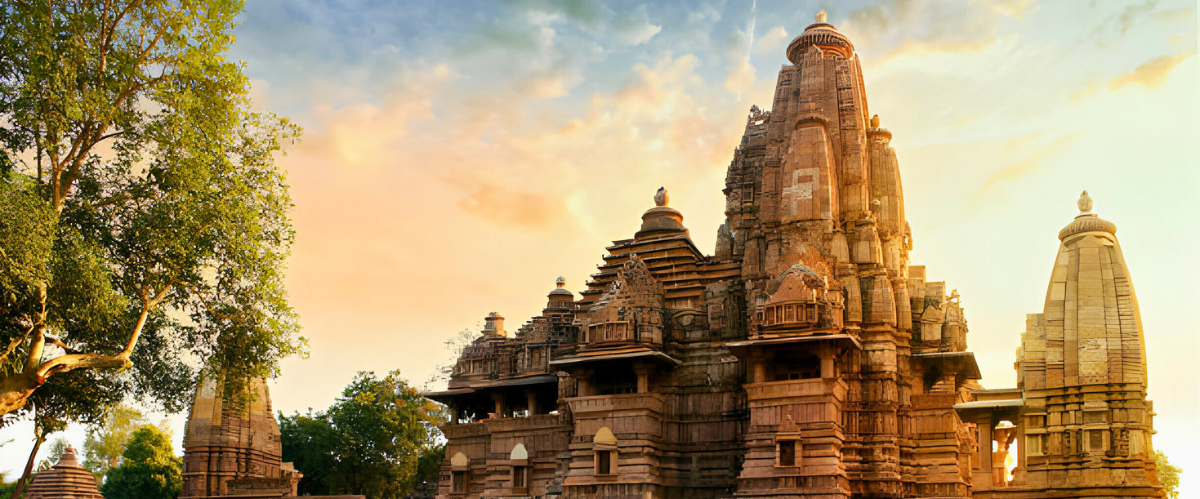
Khajuraho is one of those places that exist as a monumental testimony of human creativity and spiritual devotion wherein ancient temples narrate stories of artistic splendour and religious tranquillity. A UNESCO World Heritage Site, the site is a live gallery, with intricately carved temples depicting the best of Nagara architecture, combining sculptures of spirituality and sensuality, and artistry of medieval India. Set in Madhya Pradesh, Khajuraho is no definitive archaeological wonder but a bustling tale of the heydays of the Chandela dynasty.
The best time to visit Khajuraho is during the winters i.e. October to March when temperature isn’t too harsh, leaving tourists free to sightsee and explore the stunning temples without breaking out in a sweat. Day temperature in winter go from 20-25° C and night temperature drop to 7-10°C. This is the peak tourist season as well specially during festivals such as Khajuraho Dance Festival held in February.
As the heat is neck breaking and humidity is suffocating, summer is the worst season to plan a trip to Khajuraho. From July to September, deep rainfall recreates the scenery, wrapping everything in greenery and blooming with a wide range of flowers. The temperatures lie between 20°C -35°C during the monsoon, and the evenings of this season are awfully calm with little or no city roar and movement, you can enjoy your journey of nature causing no hindrances from greater tourist inflow and crowds, however, outside the activities may be limited because of the rains here and there.
Khajuraho is well-connected via air, rail and road which opens up flexible travel options for wildlife lovers who are ready to embark on a journey to this top tiger reserve.
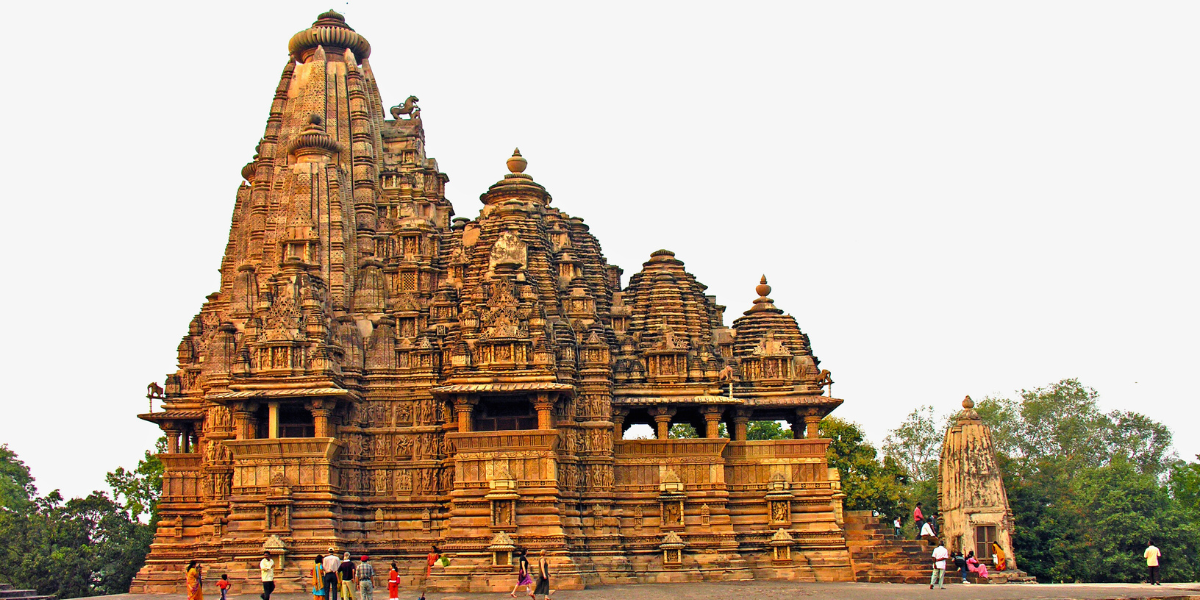
The grandest and most ornate temple within the Western group at Khajuraho, built by Chandela king Vidyadhara between 1017-1029 CE. Most noted for its beautiful Nagara architectural style and stunning sculptures, it has more than 872 existing art panels illustrating different facets of life, spirituality and devotion.
This sculpted Vaikuntha Vishnu temple was erected on the behest of Chandela ruler Yashovarman in 10th century. Amongst the temples at Khajuraho, it is the only one to have retained its subsidiary shrines, as well as the decorative mouldings and friezes.
Largest of its kind among Khajuraho Jain temples, this Digambara monument of 10th century exemplifies the excellence in Jain architecture. The shrine was initially dedicated as shrine to Adinatha in Chandela period between 950-970 CE and later temple was being dedicated to Parshvanatha.
About 1100 years old, the Brahma temple accommodates a distinctive four faced Shivalinga which is worshiped by the locals as lord Brahma appearing as himself. The temple exhibits the medieval architectural and sculptural style and is one of few existing temples devoted to Lord Brahma.
This temple is constructed in honour of the dwarf incarnation of Lord Vishnu who conquered a demon king. It is a saptaratha nagara-style temple (it is a part of the Eastern Group of Khajuraho temples listed as a UNESCO World Heritage Site) consisting of a sanctum, vestibule, maha-mandapa and a ‘samvarana’ roof. Its outer walls are adorned with carvings of apsaras (heavenly nymphs), and musicians, and avatars of Vishnu (such as Varaha and Narsimha)

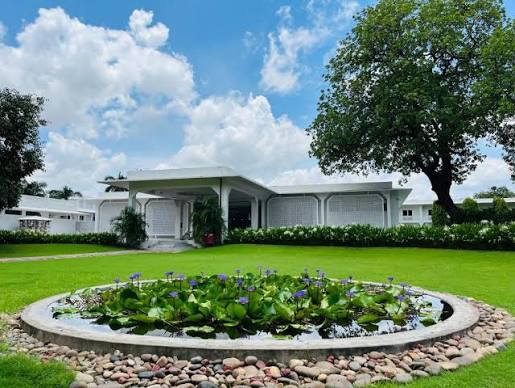
It is a luxury hotel with 90 tastefully appointed rooms having contemporary facilities and services close to Khajuraho Airport and temples. There is an outdoor swimming pool, full-service spa, fitness centre and multi-cuisine restaurant in a garden with peacocks at the hotel. The cleanliness, large rooms, amazing food and wonderful hospitality are some of the amenities guests rave about. Featuring free parking, a 24-hour concierge and with shopping links, it is the ideal refuge for staycations and cultural tourists who demand comfort and heritage second to none.
On Request
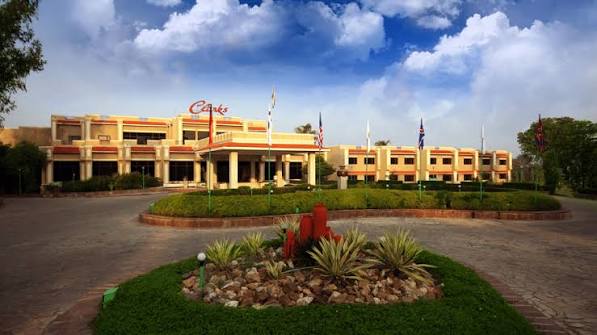
Clarks Khajuraho belongs to reputed chain of Clarks group 4-star hotel featuring fully airconditioned 100 rooms with fine interiors, led televisions, mini bar, Wi-Fi being complimentary etc. The property offers full-service spa, outdoor pool, sauna and health club as well an on-site restaurant with 24-hour room service. Guests love the great housekeeping, polite staff, clean rooms and awesome buffet breakfast featuring variety.
On Request
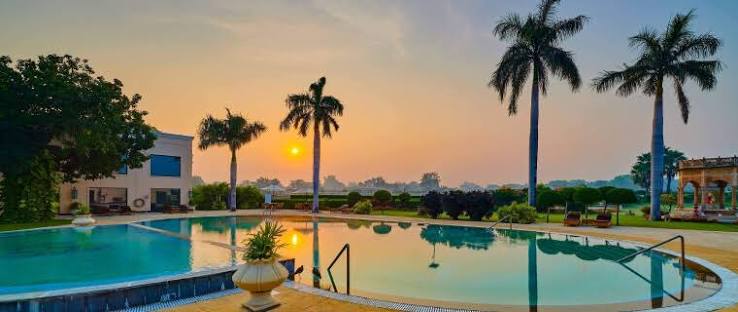
LaLiT Temple View, is a luxury hotel with well- appointed rooms, located close to the Western Group of Temples. It is home to the elegant `Panna' restaurant which provides candle-lit poolside dining with multi-cuisine delights and live flute music. Facilities include the “Spiceology” spa, yoga lessons, outdoor pools, hair salon and free valet; the lodge is a high-end cultural experience suited for heritage lovers.
On Request
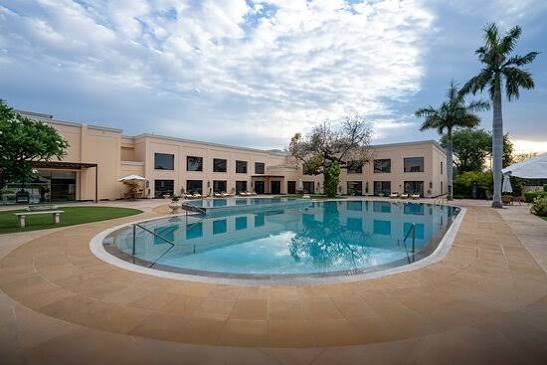
Ramada by Wyndham is a high quality and modern hotel with 85 guest rooms that are equipped with minibars, Wi-Fi and private bathrooms. The property has a full-service spa, outdoor pool, sauna and fitness centre as well as 24-hour room service. Guests appreciate its immaculate marble interior, gorgeous gardens, great breakfast buffet, and quiet atmosphere. With airport (700m) and train station being close by, free parking and family friendly facilities, it’s ideal for families, couples and business travellers.
On Request
The first thing that comes to mind when you think of Khajuraho are the beautiful cluster of temples spread across three main complexes – western, eastern and southern groups. The western group, which in size and preservation is the most significant, also contains the famous Kandariya Mahadeva and Lakshmana temples. Each temple is a testimony of splendid architecture, carvings and sculptures which speaks about love, faith and life.
Around 15 km from Khajuraho, Raneh falls is an intriguing geological site on the Ken River. The river has cut a magnificent 30-meter-deep canyon of pure crystal granite that offers eye boggling colours of pink and red and grey. It is an ideal destination for nature/adventurous people who are searching for tranquillity in an unexplored beauty of nature.
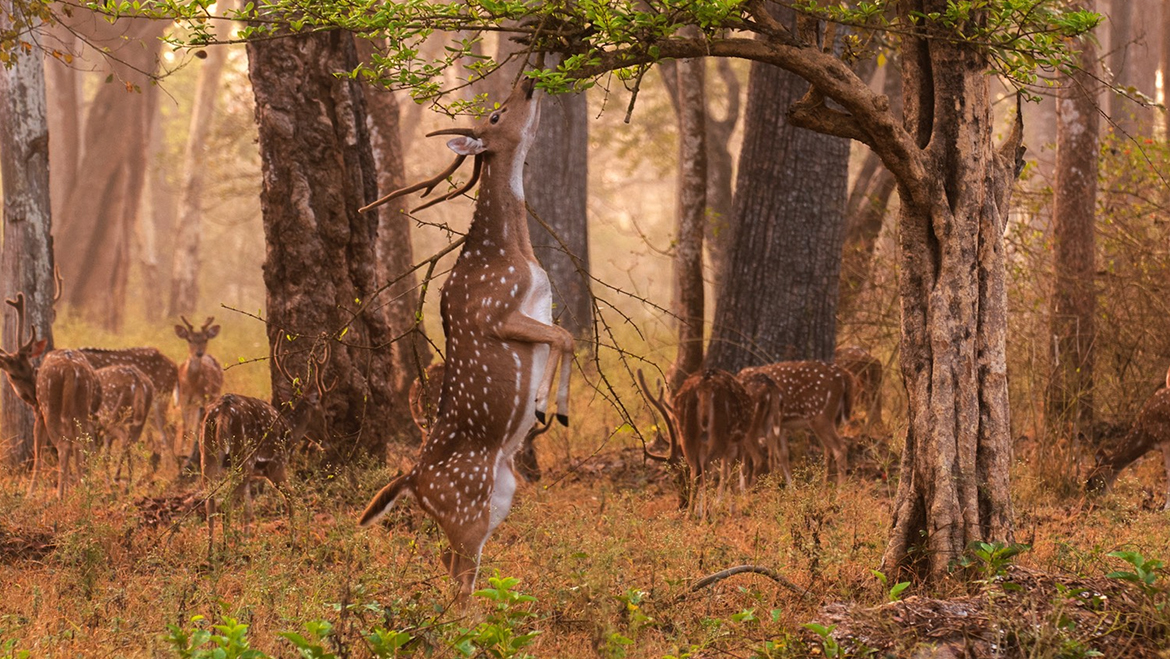
Just 40 km from Khajuraho, this tiger reserve promises heart-pounding safaris and a chance to spot wildlife in their natural environs. The park’s animals include tigers, leopards, deer and nilgai among others and it is a place for nature lovers and photographers.
A wonder of the nature nestled in Panna National Park and it has its association with the legendary Mahabharat. The waterfalls consist of tranquil basins encased in nature, creating a balance of mythological importance and picturesque beauty for a lasting impression of nature.
Embark on escorted guided tours of Khajuraho’s temples which includes a scheduled visit along with expert guides and historians to help unveil the meanings, stories, and history behind these monuments. These immersive tours will give you a glimpse into the Great Chandela Dynasty Era craftsmanship and open your mind towards medieval India’s art, architecture and religious philosophy.
Worship daily in the ancient temples with morning and evening aarti and feel the cosmic energy in these sacred spaces. A few temples are still being used daily for worship, allowing visitors to feel connected with traditions and spiritual practices that have been practiced for centuries.
Take a thrilling jeep safari for an extravagant tour of the wilderness of Panna National Park, where you will be able to witness tigers, leopards and several other animals going about their routine activities out in the open.
Watch performance of classical Indian dance especially in February during the Khajuraho Dance Festival at Temples. Watch the best of international dance on a stage showcasing traditional and contemporary interpretations of classical dance styles against the stunning backdrop of illuminated temples.
Take a Tour of the Villages and Experience rural life in the state of Madhya Pradesh with an insight into the customs, traditions, and Handicrafts of the villages. We suggest visiting the nearby villages to experience the Bundeli custom and meet regional artists in person.
Engage in water sports such as speed boating, banana ride and shikara rides on the Ken River and Kutni Island.
From quick answers to in-depth guidance, we’re committed to making sure you feel confident
Winter season from October to March is the best time to explore Khajuraho with pleasant temperature that varies between 20-25°C and tourists can enjoy sightseeing without breaking in a sweat.
Khajuraho has its own airport (HJR) with connections from Delhi, Agra, Varanasi and Mumbai. The closest rail station is Khajuraho railway station, with trains to Delhi, Varanasi and Agra.
Khajuraho temples are famous for their Hindu and Jain architecture, erotic sculptures, architectural symbolism and creative magnificence. Constructed by the Chandela rulers (950-1050 CE), this complex is the best example of Nagara style temple and is a UNESCO World Heritage Site.
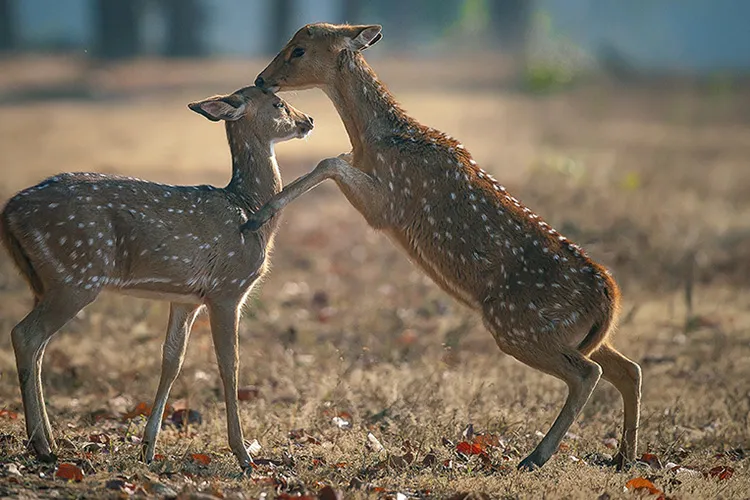
Panna National Park near Khajuraho has Bengal tigers, leopards, sloth bears, spotted deer, sambhar deer and blue bulls also home to the gharial crocodile. The sanctuary is also abode for around 200 species of birds like kingfisher, woodpecker, peafowl, jungle bush quail and black swans etc., hence a paradise for wild & birdwatching.
Yes, the world famous Khajuraho Dance Festival is held every year in February for seven days. UNESCO has also secured its place among the best events in India.
Khajuraho is linked to Jhansi (about 175 km away), Orchha (60 km) and with Agra which are other tourist destinations in India, through road connections of the state network.