
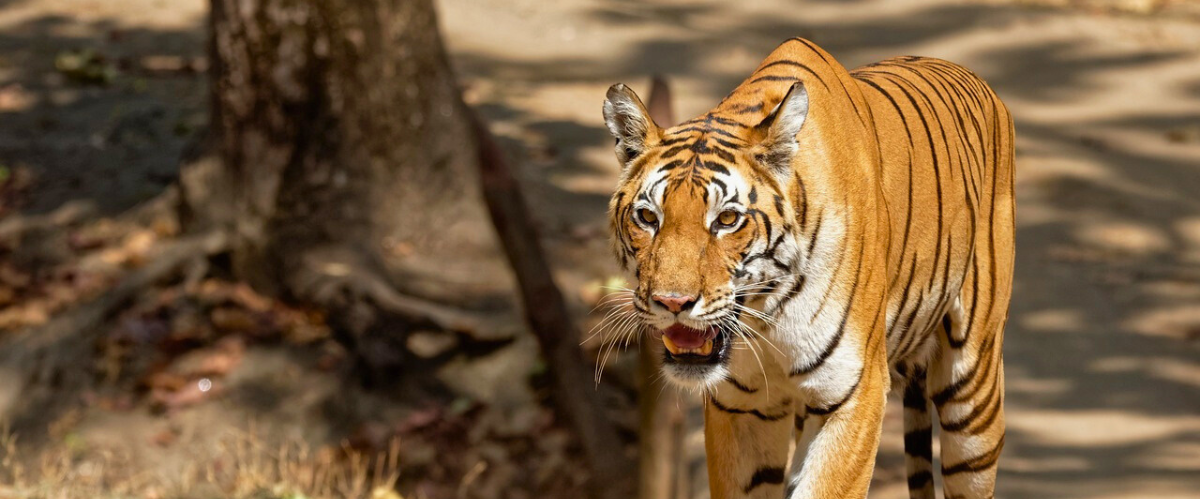
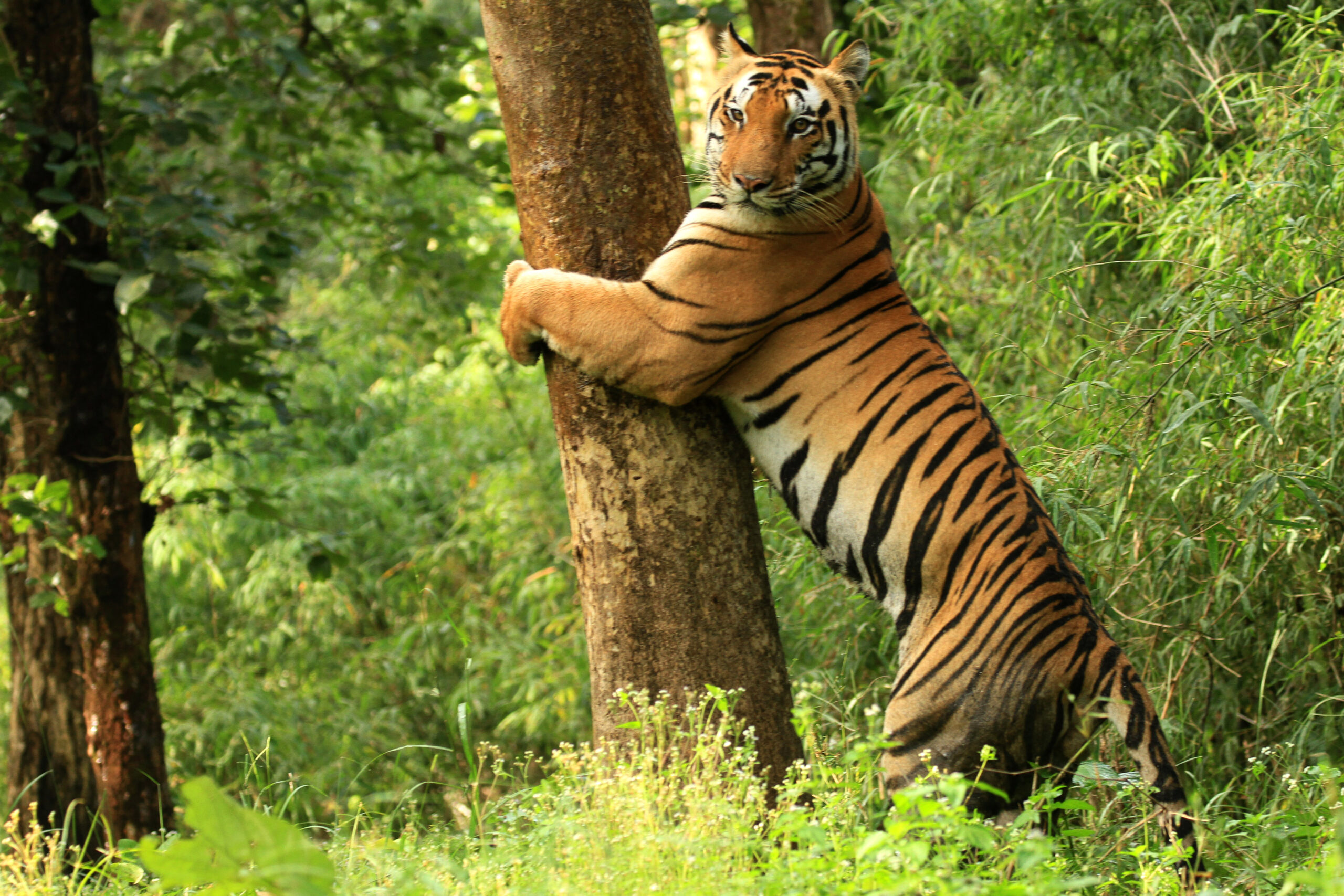
Kanha is one of the oldest tiger reserves in India and a beautiful wilderness that is said to have inspired Rudyard Kipling’s classic “The Jungle Book”. One of the most famous stories of saving wildlife is Kanha national park where the Hard Ground Swamp Deer (Barasingha) was saved from the brink of extinction. Kanha is located in the Maikal range of the Satpuras of Madhya Pradesh. Kanha is much more than a wildlife sanctuary and the ultimate ecosystem where Shere Khan (Bengal Tiger) co-lives with Baloo (Sloth Bear) and Bagheera (Leopard); it is a journey into the heart of Indian wild heritage.
The winter season from October to March is generally the best time for wildlife safaris and nature walks, making it the ideal season to visit the national park. In winter (November-February), the daytime temperature comes down to 10-25°C, whereas the nights can turn much colder, at an average 2-5°C; with excellent conditions, this time of year is ideal for full day excursions with many opportunities for birdwatching as migratory birds add to the park’s biodiversity.
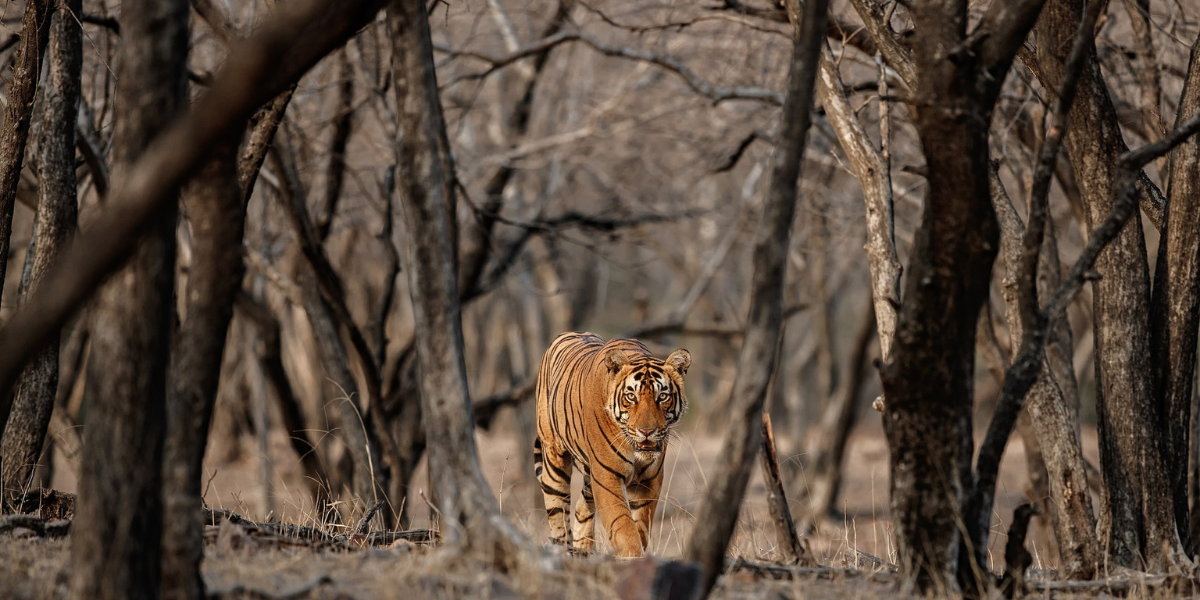
Summer (April – June) temperatures soar between 30°C to 45°C, although extremely hot, this is possibly the best time for tiger sightings and wildlife photography. With water holes scarce during dry times, animals all come to the same waterholes making tiger and predator spotting a great deal easier.
Although the monsoon period (July – September) makes Kanha a verdant oasis, for the breeding time and the periodic road maintenance, the core zones of the park are not open to tourists during these months (generally closed from July 1st to September 30th)
Kanha is reachable by air, rail and road too, giving you many alternative options for embarking on your journey to this expanse of wilderness.
Kanha is divided into multiple core tourism zones, each offering a flavour of landscape and wildlife experience. The Kisli Zone, with gorgeous Sal forests, was opened to tourism very early. The Mukki Zone in the southern end of the park is well-known for its dense forests and tiger and hard ground barasingha sightings. For a quieter safari, the exclusive Sarhi Zone provides a rugged setting and varied wildlife.
It is the highest point of the park and offer a magnificent view of the dense forest cover, especially during sunset. Not only the colour of the skies that changes above the colourful terrain but also passing animals like Sambar, Barking Dear and Gaur grazing in the meadows below can be observed from this point by the visitors. Historically, it served as a launching pad for British planes to fly over the park.
Near the Khatia entrance gate, this museum offers some interesting information about the natural history of the park, conservation efforts, and tribal culture of the area.
The mythological aspect of wildlife safari will be provided by exploring Shravan Tal site and adjacent Shravan Chita. These are places where animals come to drink and can be great places to photograph wildlife.
Gravestone of Lapsi, a noted tracker and guide who died in 1930 due to a tiger attack while he accompanied sportsmen Near Shravan Tal, this acts as a hint of the past and terror of the jungle.
Kanha also has over 300 species of birds so it’s a true treat for birdwatchers. Water bodies, Sarai zone, and the mixed forests are great for spotting Indian Roller, Scarlet Minivet, Malabar Pied Hornbill and various raptors including Crested Serpent Eagle.
The Baiga and Gond tribes inhabit the buffer zone of Kanha. You can visit their villages to experience their unique lifestyle, culture, tattoo art, and harmony with the forest.
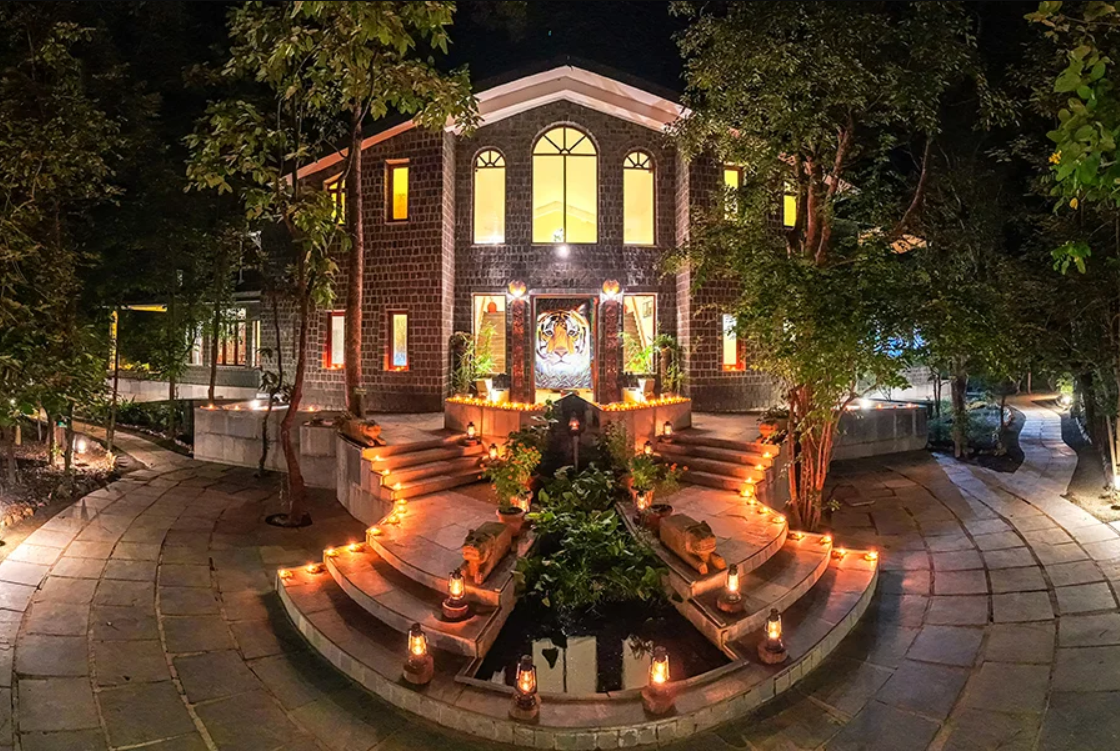
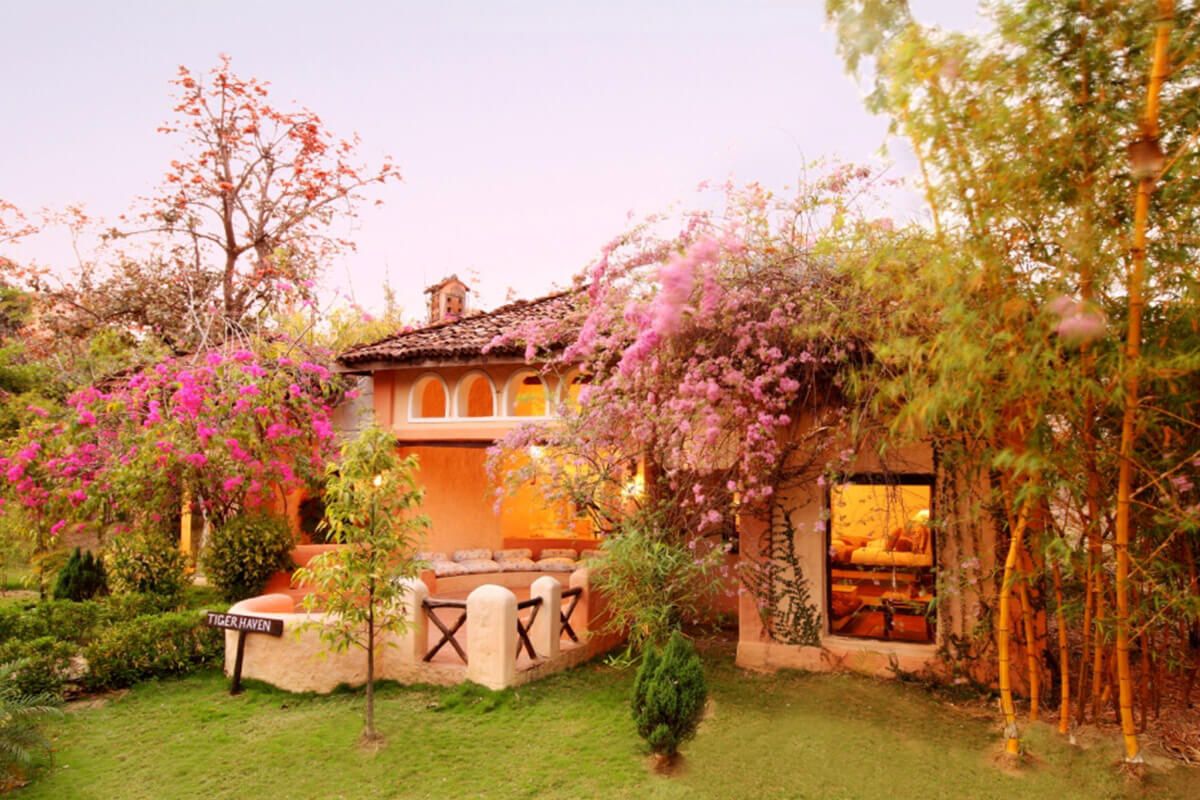
Covering 55 acres of grasslands and forest, Singinawa is a mix of luxury, art, and conservation. It offers 12 quaint cottages and a 2-bedroom jungle bungalow. Inside is a unique Museum of Life and Art with a focus on Gond art. It provides a full-on immersion in the wild, but with an emphasis on high end service, fine dining, and experienced naturalists.
On Request
Tuli Tiger Resort, near Khatia gate offers comfort along with a tinge of rustic charm and is surrounded by beautiful sceneries. Air-conditioned tents and tented cottages at the resort are designed to blend into the natural surroundings. It is family and leisure traveller friendly with a swimming pool, spa and a multi-cuisine restaurant.
On Request
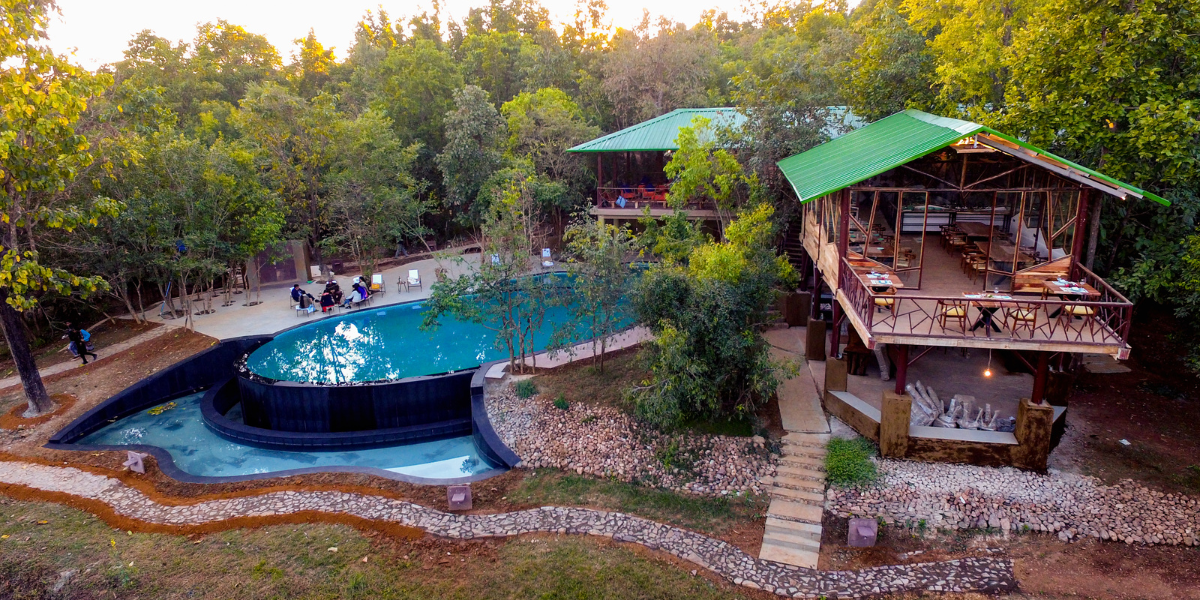
Consisting of 16 cottages designed using local materials spread across a sprawling area of 40-acres of reforested forest abutting Kanha's buffer zone near Mukki gate, Kanha Jungle Camp is an oasis of tranquillity. These include raised, semi-raised and ground-level villas with private terraces, Gond tribal artwork, modern utilities, and two bathrooms. Treehouse dining, poolside dining and spa services.
On Request
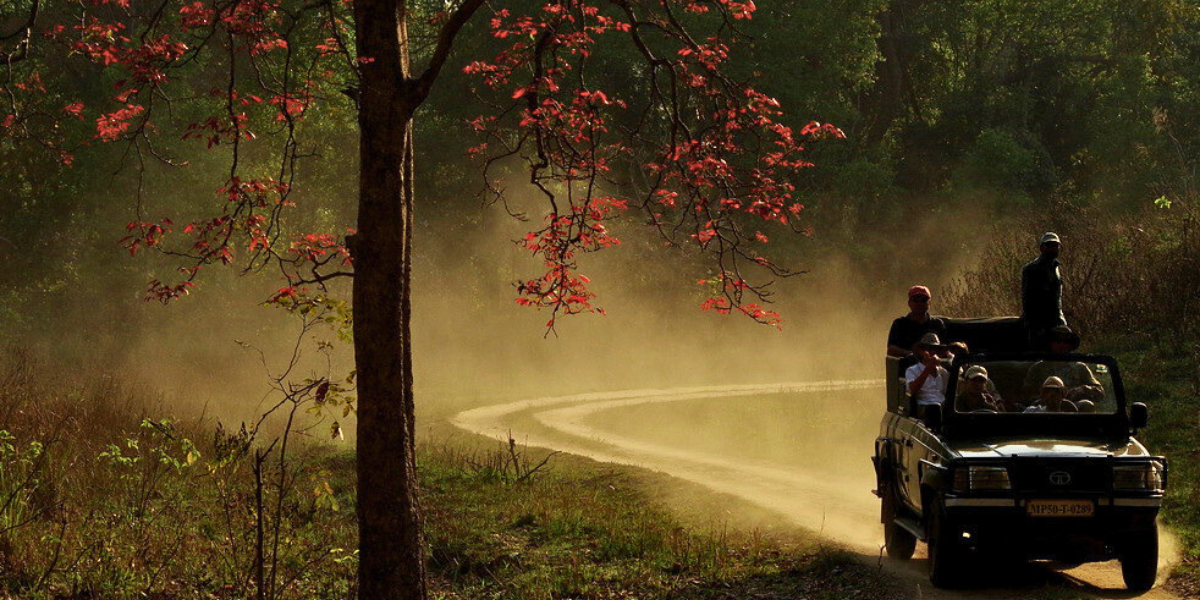
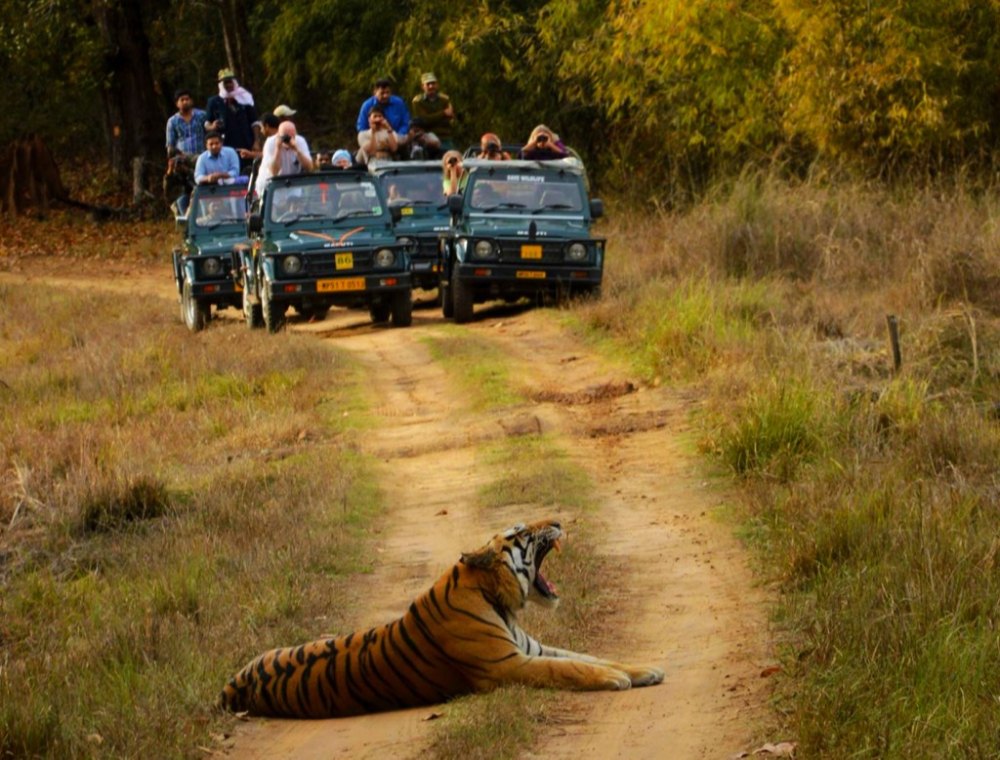
The main thing to do in Kanha is to go on an open jeep safari which takes place in the morning and evening. Taken in the accompanying of forest guides & naturalists, these are your best bet in terms of tracking tigers, leopards, bears & other wildlife.
Though the full day elephant safaris are almost non-existent today – however, tiger shows (a brief ride on the elephant to see a staked-out tiger) continue to be organized by park authorities based on sighting and regulations. Some lodges provide joy rides over a buffer area as well.
Scheduled nature walks among the buffer zones or scheduled trails provide a chance to walk through the jungle’s littler components; butterflies, insects, plants and signs. This is great way of seeing the small life that you so often overlook from a vehicle safari.
Some lodges and ecotourism projects organize biking tours in the buffer zones and nearby villages. Feel the landscape and local rural life as you cycle through the forest margins.
Go on a cultural tour to the surrounding Baiga or Gond villages. You will have opportunity to interact with the locals and learn from them about traditional farming practices, their decorative arts or perhaps see a traditional tribal dance in the evening.
From quick answers to in-depth guidance, we’re committed to making sure you feel confident
The best time to visit is the cold months (October-March) as they are very pleasant and good time to visit for general wildlife viewing. The summers (April -June) are hot but has the best chances to spot tigers as many species of animals move closer to watering holes.
The closest airports are Jabalpur (160 km) and Raipur (250 km). The closest rail heads with adequate train service are Gondia (145 km away) and Jabalpur (160 km away). Taxis, Buses are available to this park from the nearby city.
Although Rudyard Kipling never actually came here, it is thought that the forests of Kanha and nearby Pench National Park provided the inspiration for those in his best-known book “The Jungle Book.” The flora and fauna are perfectly paired to the setting of the book.
You should go for at least 3-4 days. This ensures 4-5 safaris so you can cover different zones and improve tiger sighting prospects, as well as spend more time doing other things like nature walks and visiting the village without feeling rushed.
Yes, Kanha provides a variety of accommodation options including luxury lodges such as Singinawa to mid-range resorts and budget hotels, most are situated locally near the Khatia and Mukki entrance gates.